
Physical Therapy After a Car Accident: What to Expect on the Road to Recovery
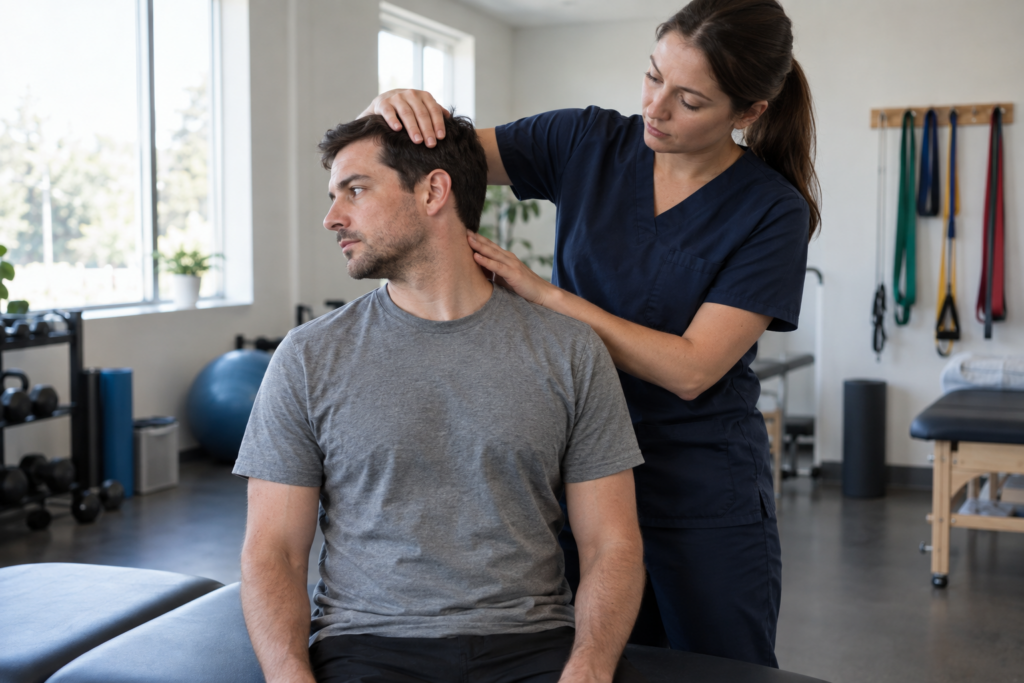
Your first physical therapy visit after a crash often starts with a simple request: turn your head to the left until it hurts, then stop. The therapist measures that angle, writes it down, and compares every later visit against it. Most of physical therapy after a car accident works this way, with small, measured steps you can see adding up.
At Orthopedic Spine & Injury Center (OSIC), physical therapy is one of the first treatments our physicians turn to for accident injuries of the neck, back, and joints. Crashes injured 5,091 people across Ada and Canyon counties in 2025, according to the Idaho Transportation Department. If you were one of them, knowing what each stage of therapy involves can take some of the worry out of starting.
Table of Contents
- What Is Physical Therapy After a Car Accident?
- Why See a Physician Before Starting Physical Therapy?
- What Happens at Your First Physical Therapy Visit?
- Which Treatments Help Neck, Back, and Joint Injuries?
- How Do You Measure Progress in Physical Therapy?
- How Long Does Physical Therapy Take After a Car Accident?
- Why Does Sticking With Your Therapy Plan Help?
- Find Out Whether Physical Therapy Is Right for You
- Frequently Asked Questions
What Is Physical Therapy After a Car Accident?
Physical therapy after a car accident is a structured treatment plan, led by a licensed physical therapist, that uses guided exercise, hands-on techniques, and education to restore movement, strength, and function after a crash injury. It targets the specific tissues the collision strained, such as the neck muscles in whiplash, and changes as you heal.
Car accident physical therapy differs from a general fitness program. Your therapist builds it around a diagnosed injury, and each session adds to a written record of how that injury affects your daily life.
The type of crash shapes the plan too. The American Academy of Orthopaedic Surgeons notes that whiplash, the rapid back-and-forth motion of the neck, commonly occurs after rear-end collisions and can cause neck sprains and strains. A therapist treating whiplash works on different muscles and movements than one treating a knee that struck the dashboard.
Why See a Physician Before Starting Physical Therapy?
A physician’s evaluation confirms what is injured before therapy puts load on it. Exercise that helps a strained muscle can aggravate a fracture, a herniated disc, or a compressed nerve, so ruling those out first protects you. The exam and any imaging also give your therapist a clear diagnosis to build the plan around.
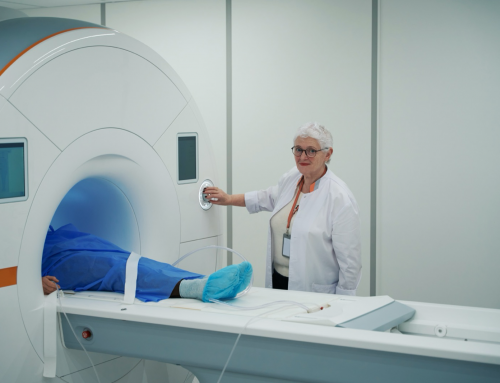
At OSIC, a physician starts every recovery plan. Medical director Dr. Phil Davidson, a board-certified orthopedic surgeon with more than twenty years’ experience treating injury patients, leads our team of specialized practitioners. Our full-service diagnostics include digital X-ray, MRI coordination, and EMG/NCS nerve testing. Nerve conduction studies (NCS) measure how well your nerves carry signals, and electromyography (EMG) records the electrical activity in your muscles. Together, we can help explain numbness or tingling that started after the crash.
Physical therapy then fits into a conservative-first plan. For most patients, we exhaust options like physical therapy, chiropractic care, and pain management before any discussion of surgery. Surgery is usually the last resort.
How OSIC Arranges Your Physical Therapy
After your evaluation, your treatment plan may include physical therapy, chiropractic care, and a rehabilitation program. Our physicians recommend the therapy and handle the physical therapy and rehabilitation referrals your plan calls for. Our concierge support team helps with scheduling, and your physician keeps reviewing your progress, so you aren’t left managing separate providers on your own.
What Happens at Your First Physical Therapy Visit?

Your first physical therapy visit is an assessment more than a workout. The therapist reviews how the crash happened and what hurts, measures your range of motion and strength, checks your posture and movement, and asks which daily tasks have become hard. From those findings, you and your therapist set goals and a starting plan.
Expect your therapist to check:
- How the accident happened. Where you were seated, the direction of impact, and when your symptoms started.
- Range of motion. How far you can turn, bend, or raise a joint, measured in degrees.
- Strength and nerve function. Muscle strength, reflexes, and sensation in your arms or legs.
- Posture and movement. How you sit, stand, walk, and change positions.
- Pain and daily function. Your pain levels and the tasks that hurt, like driving, sleeping, or lifting a child.
Wear loose clothing, and bring your imaging reports and a list of your medications.
Questions to Ask Before You Leave
A few questions at the first visit give you a clear picture of the road ahead:
- How many visits per week does my plan call for, and for how long?
- When will you retest my range of motion and strength?
- What should I be able to do by that first retest?
- Which home exercises should I do, and how often?
- Which symptoms mean I should call you or my physician?
Which Treatments Help Neck, Back, and Joint Injuries?
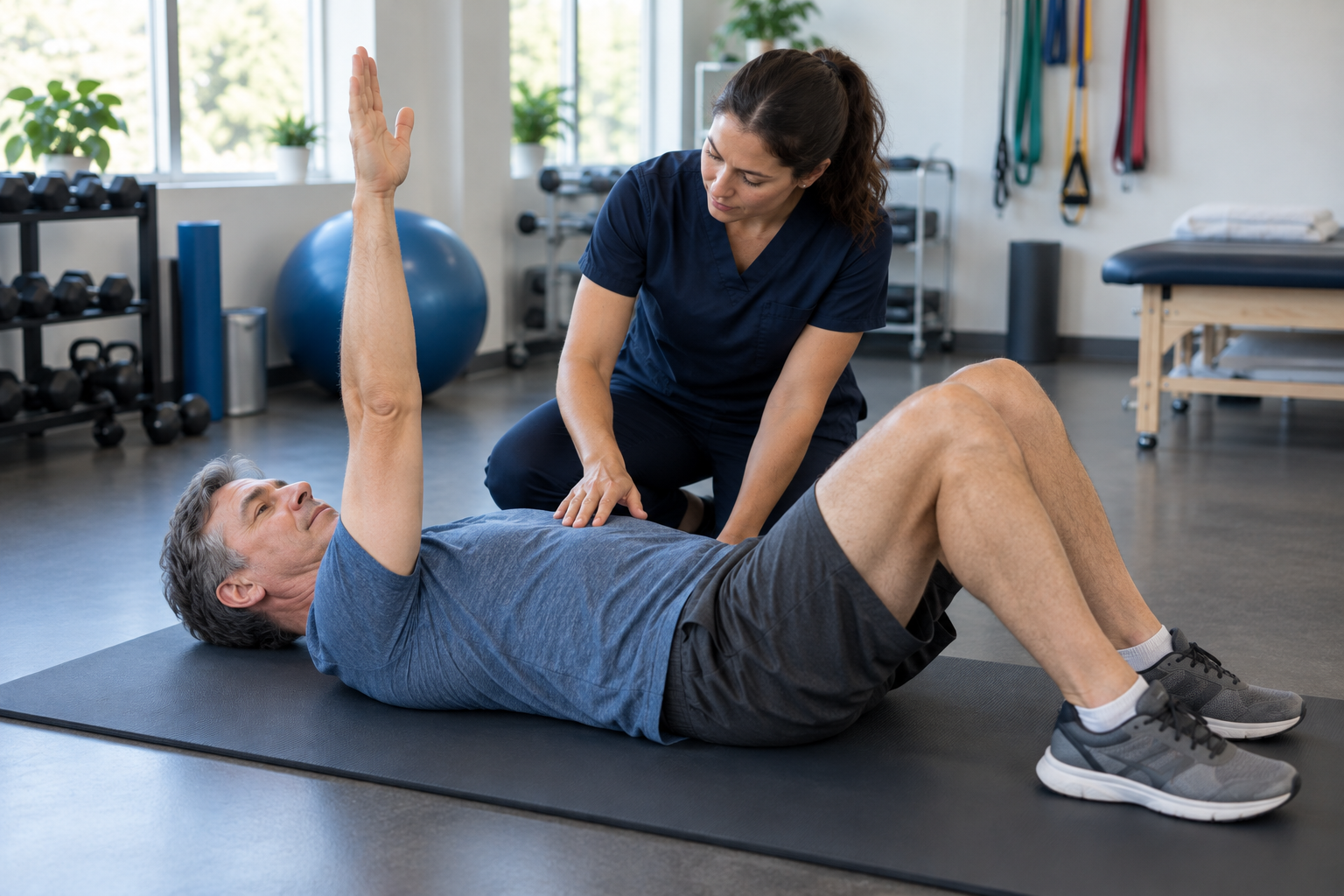
Physical therapy for car accidents combines active exercise with hands-on care. Therapeutic exercise rebuilds strength and flexibility, manual therapy (hands-on work on muscles and joints) eases stiffness, and heat or ice calms pain and swelling. Your therapist chooses the mix based on the injured area, your diagnosis, and how your body responds from week to week.
The focus shifts with the part of the body the crash affected. Our page on whiplash injuries notes that most whiplash injuries respond well to early, conservative care.
| Injury area | Common crash-related problem | What therapy often includes |
|---|---|---|
| Neck | Whiplash, neck sprain or strain | Gentle range-of-motion work, deep neck muscle strengthening, posture training |
| Middle and lower back | Muscle strain, facet joint irritation, disc injury | Core and hip strengthening, spine stabilization, a gradual return to lifting and bending |
| Shoulder | Rotator cuff strain, seatbelt or impact injury | Mobility work, shoulder blade control, progressive strengthening |
| Knee and hip | Dashboard impact, ligament sprain | Balance training, leg strengthening, walking and stair practice |
Physical Therapy for Back Pain After a Car Accident
Physical therapy for back pain after a car accident usually starts with gentle movement and core activation, then builds toward lifting, bending, and twisting the way your job and home life require. OrthoInfo, the American Academy of Orthopaedic Surgeons’ patient site, notes in its page on low back pain that exercise to restore motion and strength to the lower back “can be very helpful in relieving pain.”
If leg pain, numbness, or weakness comes with your back pain, tell your therapist right away. Those symptoms can point to a nerve problem that needs a physician’s review.
How Do You Measure Progress in Physical Therapy?

Your therapist measures progress by retesting what they recorded at the first visit: range of motion in degrees, strength, pain levels, and how well you handle daily tasks. Many therapists also use standardized questionnaires, such as the Neck Disability Index or the Oswestry Disability Index for low back pain, to score your function over time.
These numbers show whether the plan is working, and they give your physician objective data for deciding what comes next. At OSIC, our physicians review your therapy progress alongside the rest of your care through coordinated specialty care, so one team sees the full picture.
When Physical Therapy Isn’t Enough on Its Own
Some injuries need more than therapy. That’s normal, and it doesn’t mean you did anything wrong. If your progress stalls, our physicians look for the reason. They may order more imaging, coordinate chiropractic care, or refer you for pain management, such as targeted injections that can calm irritated nerves and make therapy easier to tolerate. For most patients, surgery comes into the discussion only after those options have been exhausted.
How Long Does Physical Therapy Take After a Car Accident?
Recovery time depends on the injury. According to the American Academy of Orthopaedic Surgeons, most neck sprain and strain symptoms go away in 4 to 6 weeks, though severe injuries can take longer. Disc injuries, nerve involvement, and injuries to more than one area often need a longer course of physical therapy.
Ask at your first visit how often you’ll come in. Visits are often more frequent early on, then taper as you take over more of the work at home.
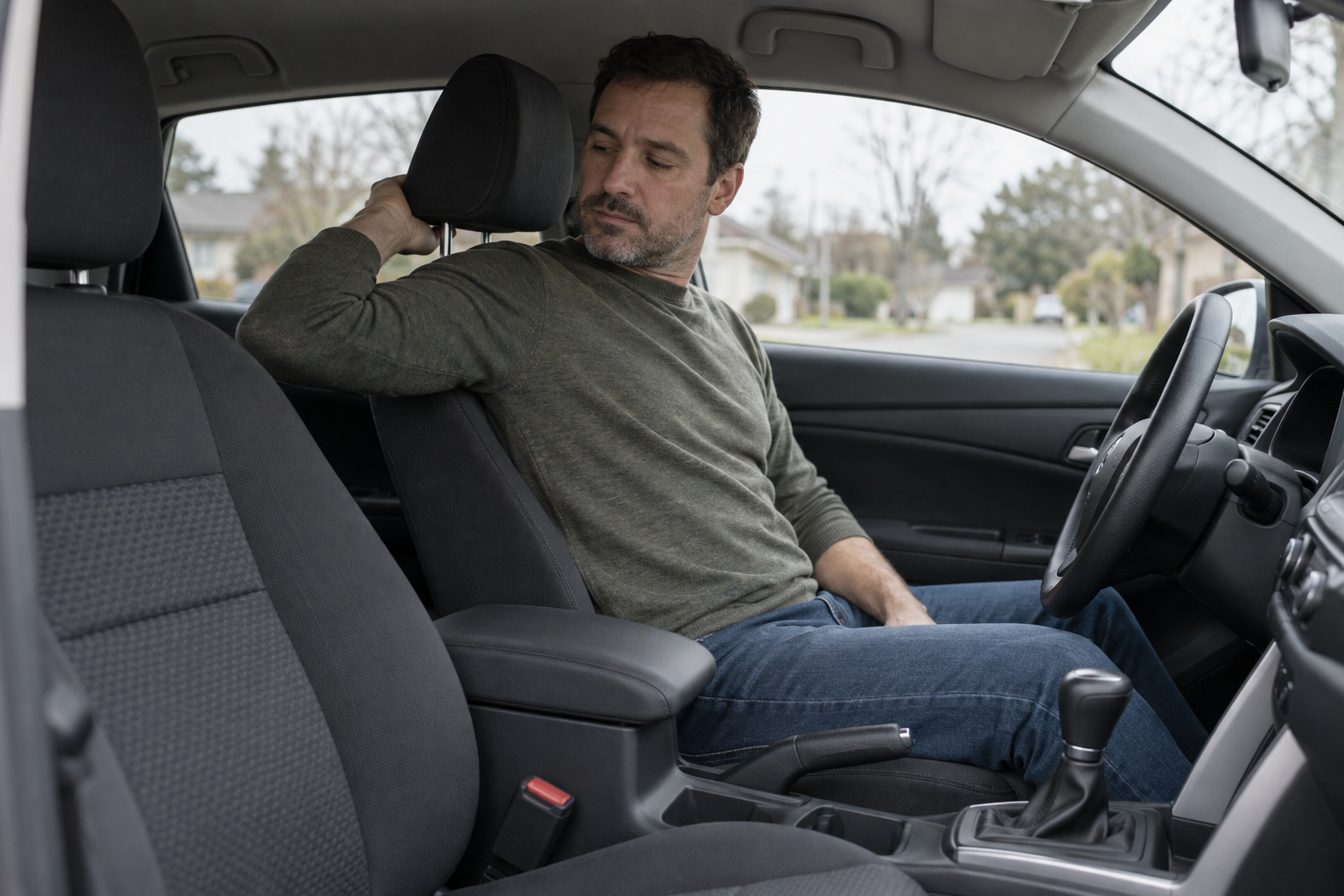
Your commute plays a part too. If you drive I-84 between Nampa and Boise, a long stretch behind the wheel can stiffen an injured neck or back. Ask your therapist how to set up your seat and headrest and when to take breaks.
Why Does Sticking With Your Therapy Plan Help?
Consistency supports both your healing and your records. Injured muscles and ligaments regain strength through repeated, progressive work, and skipped weeks let stiffness and weakness return. Each visit also documents your symptoms, measurements, and progress, which builds a clear medical record of how the accident affected you.
Watch for two mistakes. One is quitting as soon as the pain eases. The other is doubling your home exercises on a good day, which can set off a flare-up and cost you days of progress. Stick to the plan and let your therapist decide when to push harder.
Gaps in care can raise questions about how serious an injury was, so tell your care team when a conflict or flare-up keeps you from a session. When a case needs it, our medical-legal services, including Medical Legal Evaluations, can help document how the injury affects your life. For questions about your claim, your personal injury lawyer is always the best source of advice regarding your legal case.
Find Out Whether Physical Therapy Is Right for You
If a car accident left you sore, stiff, and unsure whether therapy fits your injury, you don’t have to figure it out alone. Relax. Breathe. A physician’s evaluation gives you a diagnosis and a plan built around it, so you can focus on healing and get back to your life.
Our Meridian clinic at 3080 East Gentry Way, Suite 200, offers same-day appointments for urgent injuries whenever possible. OSIC is physician-led and 100% dedicated to accident injuries. We work on a lien or letter-of-protection basis, so there may be no out-of-pocket treatment options for qualifying injury cases. Learn more about our Idaho clinic, then request an appointment or call 208-278-2300 to get clarity about your condition and next steps. Outside Idaho, we also have clinics throughout Utah and Washington State, including the Vancouver–Portland metro.
Frequently Asked Questions
How soon should you start physical therapy after a car accident?
You can usually start physical therapy after a car accident once a physician has examined you and ruled out injuries like fractures or nerve compression. For many soft-tissue injuries, that may be within the first week or two. Your physician sets the timing from your diagnosis. Gentle movement often begins early, and harder exercise waits until the injured tissue can handle the load.
Is physical therapy supposed to hurt?
Physical therapy can leave you sore, but it shouldn’t cause sharp or worsening pain. Mild muscle soreness for a day or so after a session is common as injured tissue starts working again. If you feel sharp pain, pain that builds from one session to the next, or new numbness or tingling, tell your therapist and your physician so they can adjust the plan.
Can I keep seeing the physical therapist I already have?
Often, yes. If you already see a physical therapist you trust, our physicians can coordinate your care with that provider instead of referring you somewhere new. Your physician still evaluates your injury and reviews your progress, and our “concierge” support team helps with scheduling. Mention your current therapist at your first visit so we can plan around them.
Can I do my physical therapy exercises at home instead of going to sessions?
Home exercises are part of most physical therapy plans, and they tend to work best alongside regular sessions. At each session, your therapist retests your motion and strength, adjusts the exercises as you heal, and provides hands-on care you can’t give yourself. Your home program covers the days in between. Check with your therapist before you change or add exercises on your own.
Can physical therapy help if my accident happened months ago?
Physical therapy may still help if your accident happened months ago and you’re living with pain or stiffness. Injured muscles and joints can respond to guided exercise long after the crash, though a longer gap can mean more stiffness to work through. Start with a physician’s evaluation to find out what’s causing your symptoms now and whether therapy fits your injury.