

Do You Need an MRI After a Car Accident?
The crash felt manageable at the scene. You traded insurance information, the car still drove, and you went home sore but standing. Then a few days passed and the soreness didn't. If you are wondering whether you need an MRI after a car accident, that lingering pain is exactly why the question is worth asking. At Orthopedic Spine & Injury Center (OSIC), our team evaluates accident injuries every day, and we can tell you plainly when imaging helps and when it can wait. Relax. You've landed in the right place.
Table of Contents
- When Is an MRI Recommended After a Car Accident?
- MRI vs. X-Ray: What Each Scan Shows
- Soft Tissue, Discs, and Nerves: What Only an MRI Can See
- Why Delayed Pain After a Crash Deserves a Closer Look
- What to Expect During Your MRI
- What Doctor Should You See After a Car Accident?
- How Your Imaging Results Guide Treatment
- Get Clarity About Your Injury and Next Steps
- Frequently Asked Questions
When Is an MRI Recommended After a Car Accident?
An MRI is usually recommended after a car accident when pain, numbness, weakness, or tingling lasts beyond a few days, when your symptoms point toward a disc or a nerve, or when an X-ray comes back clear but you still hurt. A proper evaluation sets the timing, not a fixed schedule.
Not every sore muscle needs a scan. Many soft-tissue injuries settle down with rest, physical therapy, and time, so our team starts there, coordinating physical therapy by referral when you need it, and reserves the MRI for symptoms that suggest something deeper. When we do order one, we coordinate it through our full-service diagnostics so you are not left chasing appointments across town.
MRI vs. X-Ray: What Each Scan Shows
An X-ray uses a small dose of radiation to photograph bone, so it finds fractures and dislocations quickly. An MRI, short for magnetic resonance imaging, uses a magnetic field and radio waves to map soft tissue, showing discs, ligaments, muscles, nerves, and the spinal cord. After a crash, the two scans answer different questions, and you may need both.
| What you want to see | X-Ray | MRI |
|---|---|---|
| Broken or dislocated bone | Yes, the best first look | Yes |
| Muscle and ligament tears | No | Yes |
| Herniated or bulging discs | No | Yes |
| Pinched or damaged nerves | No | Yes |
| Spinal cord injury or swelling | No | Yes |
| Speed and availability | Very fast, widely available | Longer, scheduled |
The gap matters because the Mayo Clinic notes that whiplash can damage the muscles and tissues of the neck, and that soft tissue is something an X-ray cannot show.
Soft Tissue, Discs, and Nerves: What Only an MRI Can See
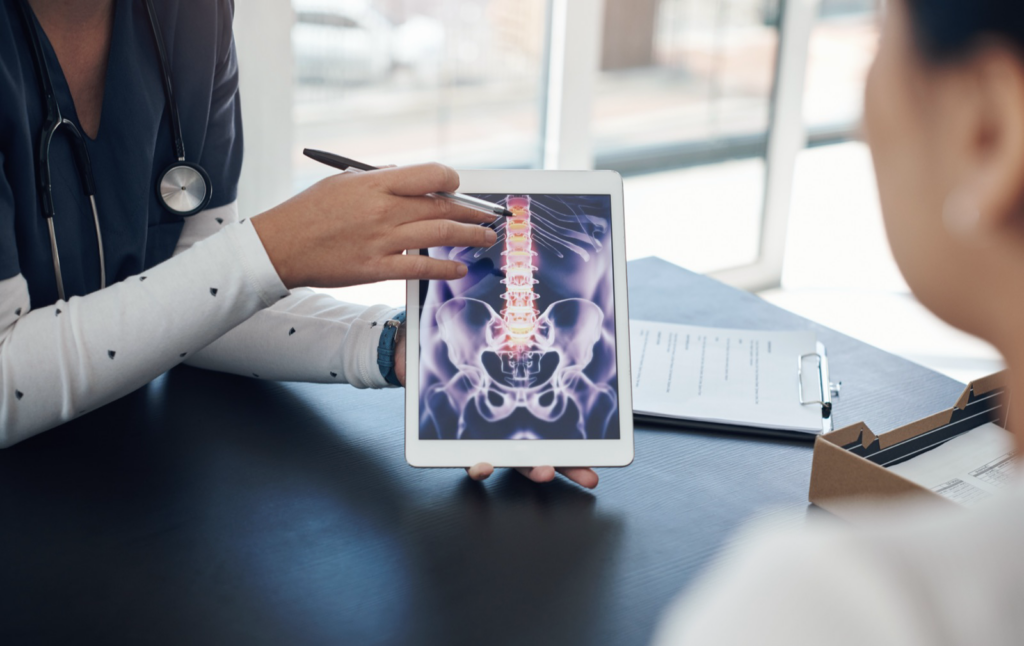
An MRI shows the soft structures an X-ray misses: torn muscles and ligaments, herniated discs pressing on a nerve, damaged joint cartilage, and swelling around the spinal cord. Because so many crash injuries live in this soft tissue, an MRI often explains pain that a normal X-ray leaves unsolved.
Whiplash is a good example. Whiplash is an injury to the neck caused by a rapid back-and-forth motion, and it strains the muscles and ligaments that hold your neck and spine in place. Those structures don't appear on an X-ray, but they show up on an MRI, which is why we lean on this scan when whiplash symptoms don't fade.
Why Delayed Pain After a Crash Deserves a Closer Look
Crash symptoms often arrive late. Whiplash pain can take hours or even a few days to set in, and the CDC notes that concussion symptoms may not appear until hours or days after the injury. Adrenaline masks injury at the scene, so pain that grows over the following week deserves attention.
This is common. The Idaho Transportation Department recorded 11,845 people injured on Idaho roads in 2025, and many of them felt fine when they drove away. If a headache, neck stiffness, or numbness has crept in since your car accident, a concussion or a spine injury may be behind it, and imaging can help find the cause.
What to Expect During Your MRI
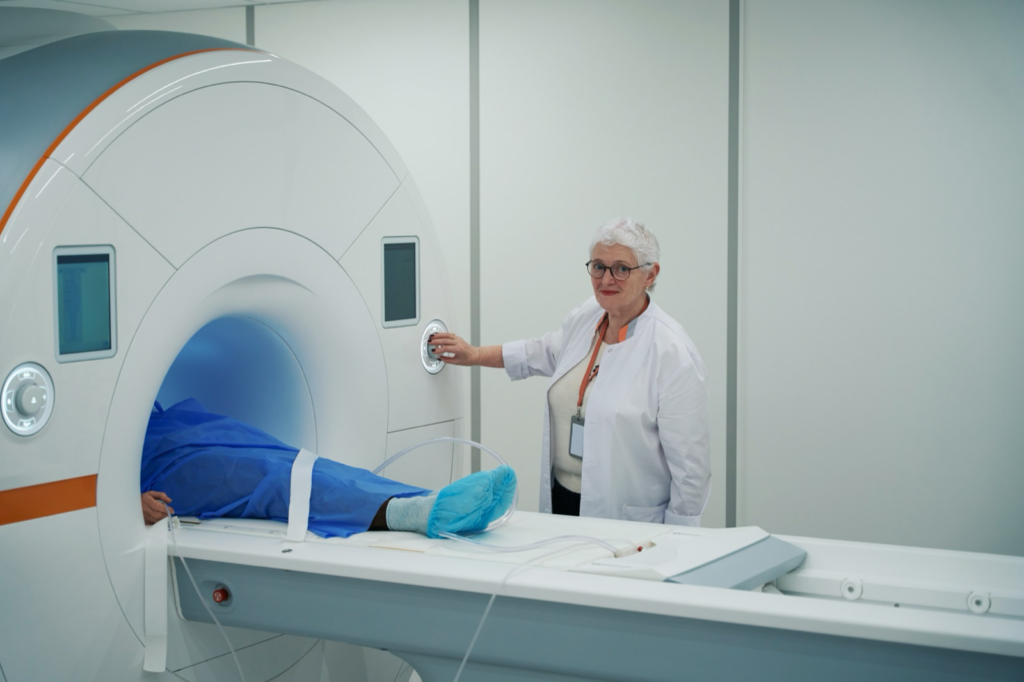
The scan itself is painless and uses no radiation. You lie still on a padded table that slides into a tube-shaped scanner while it captures detailed images of the injured area. The scan usually takes 20 to 45 minutes, the scanner is loud, and you can ask for earplugs or music to stay comfortable.
Most MRIs need no special preparation. Tell the technologist about any metal implants, a pacemaker, or a chance of pregnancy before you start, since the magnet is powerful. If tight spaces make you anxious, let us know ahead of time so our coordinated specialty care team can arrange an open scanner or other options.
What Doctor Should You See After a Car Accident?
The best doctor to see after a car accident is a physician who focuses on accident injuries and can coordinate imaging, specialists, and treatment through one team. An emergency room rules out life-threatening injury right after a crash. For pain that lingers in the days that follow, a physician-led injury clinic can evaluate the cause and build a plan.
That focus is what sets us apart. OSIC is physician-led by medical director Dr. Phil Davidson, a board-certified orthopedic surgeon with more than twenty years treating injury patients, supported by a team of dozens of specialized practitioners. Because we provide comprehensive care for accident injuries through one coordinated team, your evaluation, imaging, and follow-up stay connected instead of scattered.
How Your Imaging Results Guide Treatment
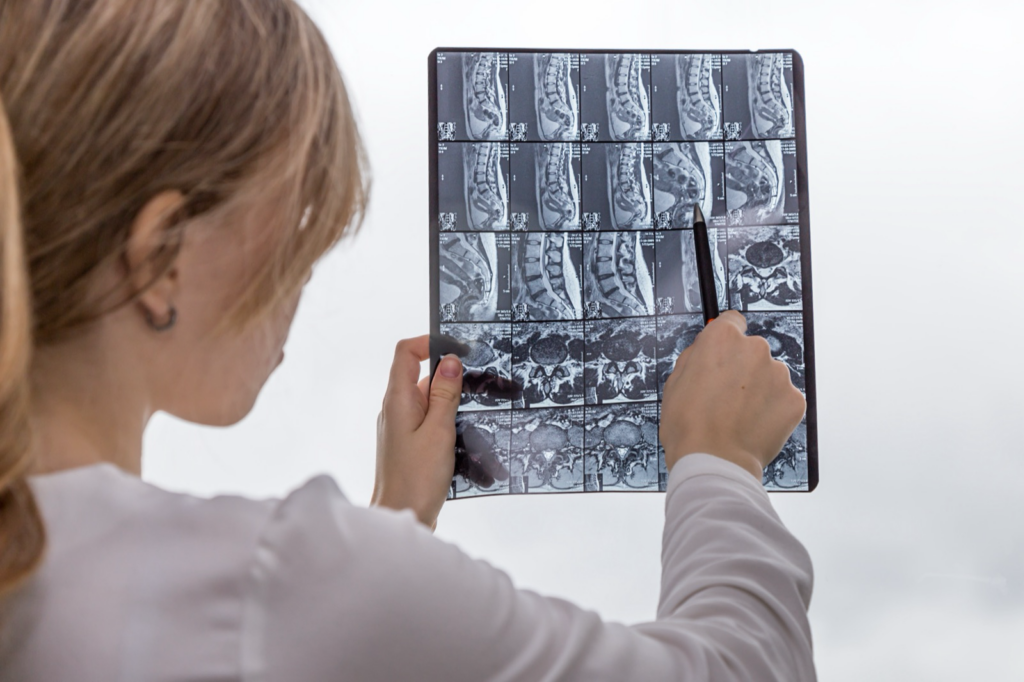
Your imaging results shape treatment by showing your care team exactly what is injured, so care targets the real problem instead of guessing. A clear disc herniation on MRI may point toward focused physical therapy or an injection, while a stable soft-tissue strain calls for conservative care and time.
Surgery is usually the last resort. For most patients, our team works through pain management and coordinates physical therapy and chiropractic care by referral before we start any discussion about surgery, and clear imaging helps us make that call with confidence. The same detailed records also document your injury, which can make a major difference if you are working through a personal-injury claim.
Get Clarity About Your Injury and Next Steps
You don't have to sort this out alone. Our concierge support team coordinates your evaluation, imaging, and specialists so you can focus on getting back to your pre-injury life. Call our Meridian clinic at 208-278-2300 or request an appointment to get clarity about your condition and your next steps. If you have questions first, reach our team any time.
Frequently Asked Questions
How long after a car accident should you get an MRI?
There is no fixed deadline. Most people start with an evaluation and conservative care, and an MRI is ordered when pain, numbness, or weakness lasts beyond several days or points to a disc or nerve. A physician who examines you decides the right timing based on your symptoms.
Can an MRI show a whiplash injury?
Yes. Whiplash damages soft tissue such as muscles and ligaments, which an X-ray cannot capture but an MRI can. When neck pain, stiffness, or headaches linger after a crash, an MRI helps confirm what is injured so treatment can target the real source of your pain.
Do I need an MRI if my X-ray was normal?
Possibly. A normal X-ray only rules out broken bones, and it says nothing about discs, nerves, or soft tissue. If you still hurt after a clear X-ray, an MRI can look deeper and often explains pain that the first scan could not.
Does insurance or my settlement cover an MRI after an accident?
It depends on your situation. OSIC works on a lien or letter-of-protection basis, so there may be no out-of-pocket treatment options for qualifying injury cases. Your personal injury lawyer is always the best source of any advice regarding your legal case and how imaging costs are handled.
Is an MRI safe, and what if I feel claustrophobic?
An MRI is very safe and uses no radiation. The main concern is metal in the body, so tell the technologist about any implants beforehand. If tight spaces make you uneasy, ask about an open MRI, and our team can help arrange one so you can complete the scan comfortably.
What doctor orders an MRI after a car accident?
A physician who evaluates your injury orders the MRI, often an orthopedic or spine specialist at an injury clinic. At OSIC, our physician-led team examines you first, decides whether imaging is needed, and coordinates the scan and the results so nothing falls through the cracks.