
Injury Patient Report – Shoulder Surgery
As accident cases continue to uptick, paying attention to often overlooked injuries is essential. In many cases, symptoms don’t appear right away, but they can create serious problems down the line.
In this edition of Washington OSIC: Injury Patient Report, we will focus on shoulder injuries, specifically:
1. SLAP tears
2. Rotator Cuff tears
3. AC joint injuries
“Shoulder trauma is very common in both automobile accidents and slip and fall type injuries. At OSIC, we are proud to offer a variety of shoulder treatments, both surgical and non-surgical, to help our patients recover from these injuries and get back to their life.”
Dr. Phil Davidson
Co-Founder & Medical Director,
Board Certified Orthopedic Surgeon
SLAP Tears
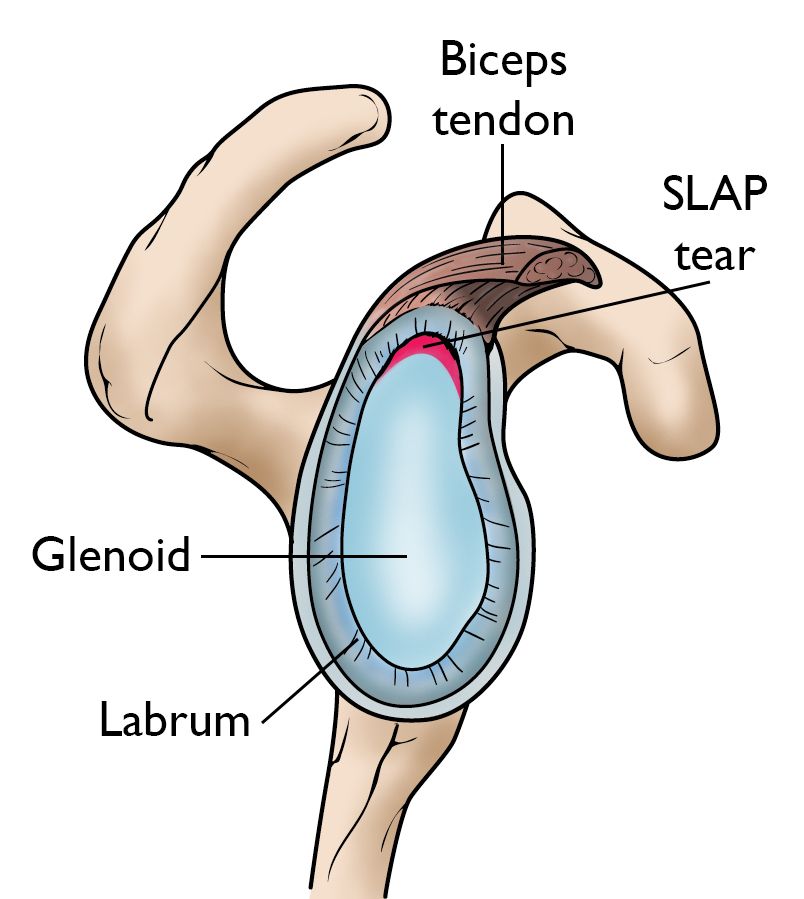 A SLAP tear is an injury to the labrum of the shoulder. The labrum is the rim of cartilage that surrounds the socket (glenoid) of the shoulder joint. The glenoid is commonly injured when an accident occurs while gripping the steering wheel. Unfortunately, once torn, this structure does not have the capacity to heal itself.
Surgical Treatment: SLAP tears are repaired using arthroscopic techniques. Arthroscopy entails making small (1/4inch) ports through which the HD camera and instruments are inserted. The SLAP tear is repaired with sutures.
Rotator Cuff Tears
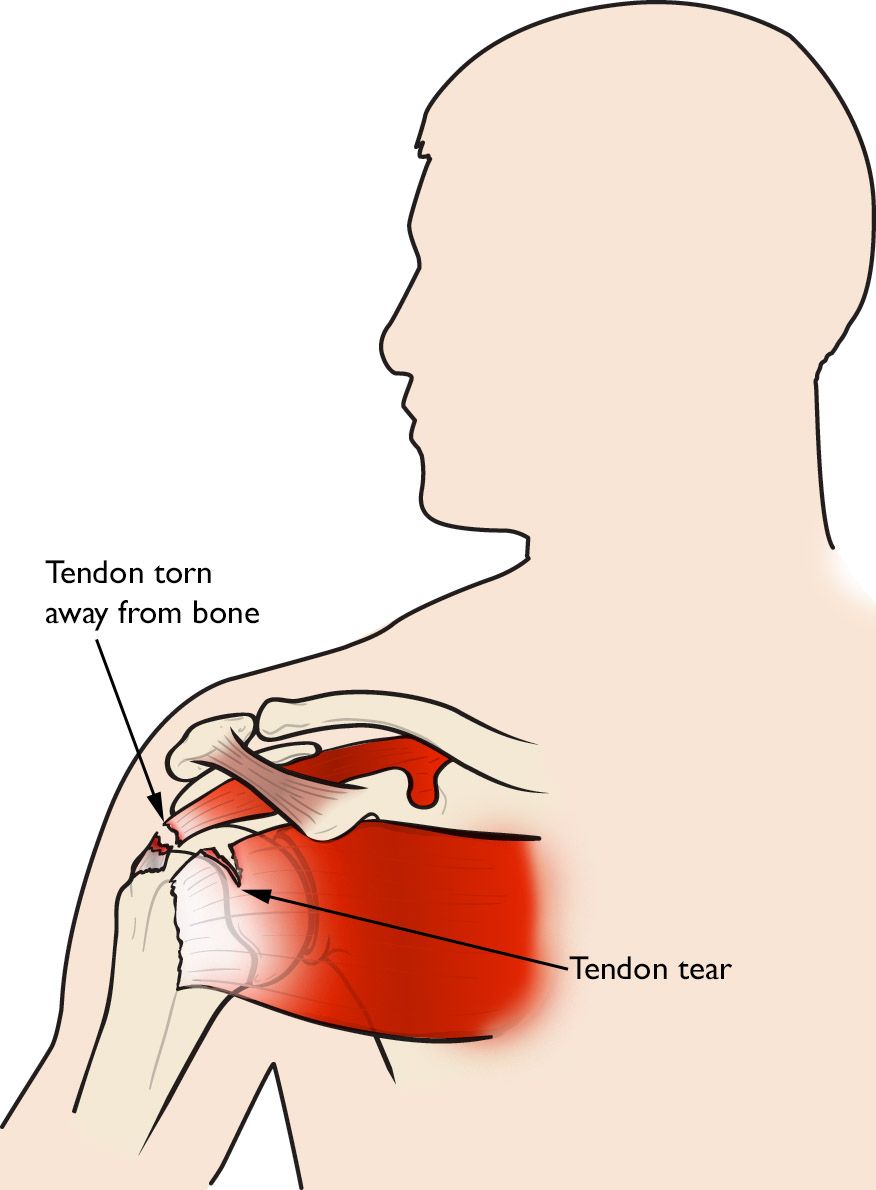 When one or more of the rotator cuff tendons is torn, it becomes detached from the humerus. Tears of the Rotator Cuff lead to pain, weakness and impaired function. Pain from a torn rotator cuff is typically worse with reaching and at night. Partial tendon tears can also be very problematic for the injured patient.
Non-Surgical Options: For partial or very small tears, non-surgical treatment can often lead to healing. This typically entails rest, anti-inflammatory medications, steroids, PRP injection and physical therapy.
Surgical Options: Surgery to repair a torn rotator cuff involves re-attaching the tendon to the humerus. The exact surgical procedure depends on the type of tear. This surgery is often performed arthroscopically.
AC Joint Injury
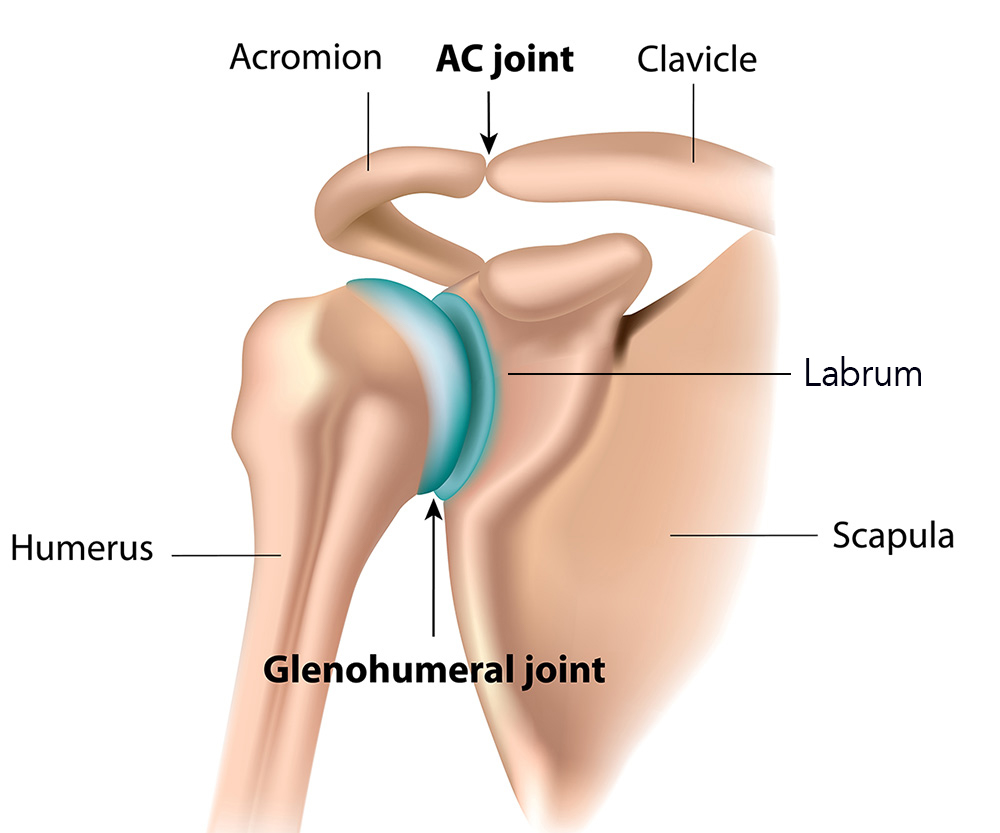 This injury involves the acromioclavicular joint (also called the AC joint). The AC joint is where the collarbone (clavicle) meets the highest point of the shoulder blade (acromion). Trauma, such as commonly occurs when wearing a seatbelt, frequently leads to AC injury. When the joint is displaced, it is often treated with surgery.
Non-surgical treatments: Sling, cold packs, and medications can often help manage the pain. Some cases require more complicated supports to help lessen AC joint motion and pain.
Surgery: In significantly displaced or persistently painful injuries, surgery is indicated. This typically entails reconstructing the ligaments that secure the clavicle.
Medical Specialists Providing Coordinated Care
We work as a physician-led team of specialists to provide the most comprehensive and complete recovery from injuries. We provide services ranging from immediate injury evaluation to complex sub-specialty surgical treatments. We provide both diagnostic and treatment services. We can arrange testing to include: MRI, CT scan, EMG, ultrasound, neurologic testing, and digital x-ray, among other necessary modalities. Our expertise is in both non-surgical and surgical care.
We provide complete surgical services, including surgical facility, anesthesia and implants. The care rendered in our clinic and our affiliated facilities is medically supervised to assure the best outcomes.
When Should I Refer A Patient to OSIC?
Early! We can provide comprehensive and coordinated care most effectively soon after the injury. Once a patient is out of the Emergency Room, or Urgent Care is the perfect time to send them to OSIC. We are also available to evaluate patients further out from the accident.
What Types of Injuries Do You Treat?
We treat both relatively minor and major complex injuries. We treat all bodily injuries and traumatic brain injuries. We have specialists in neurosurgery, neurology, spine, shoulder, elbow, hand/wrist, hip, knee, foot/ankle, physiatry, pain management, interventional spine, psychology, brain injury care, neuro-optometry, nutrition, life care planning and neuropsychology. When needed, we provide additional support care, including medical, cardiac, pulmonary, radiological, and infectious disease, among others.