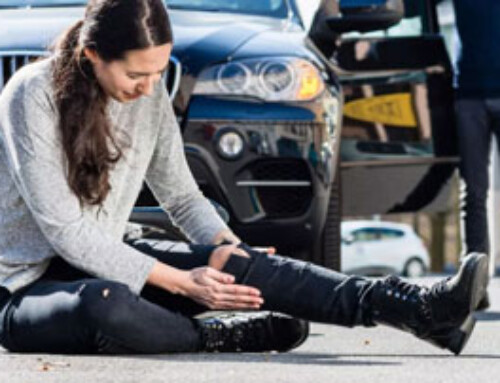


Back Pain After a Car Accident: Why It Sometimes Shows Up Days Later
You walked away from the crash feeling shaken but fine. Two mornings later, you can barely get out of bed. Your lower back is stiff, sore, and radiating pain you didn’t have at the scene. If that sounds familiar, you are not imagining it, and nothing is wrong with you for noticing it late. Back pain after a car accident often arrives on a delay, and understanding why can help you know when it’s time to get checked out.
At Orthopedic Spine & Injury Center (OSIC), we treat accident injuries every day, so we have seen this pattern more times than we can count. Relax. Breathe. Post-accident back pain has clear causes, it can worsen over the following days, and specific warning signs tell you when to get checked. Our physician-led team pinpoints the real source before recommending any treatment.
Table of Contents
- Why does back pain show up days after a car accident?
- What are the common causes of back pain after a car accident?
- What does a herniated disc after a car accident feel like?
- What are the warning signs that back pain needs a proper evaluation?
- How do doctors find the cause of back pain after a crash?
- How is back pain after a car accident treated?
- Get clarity about your back pain and next steps
Why does back pain show up days after a car accident?
Back pain often appears days after a crash because adrenaline and endorphins flood your body during the accident and temporarily block pain signals. As those stress hormones fade over the next 24 to 72 hours, inflammation builds and injured muscles, ligaments, and discs begin to swell, tighten, and spasm. Only then does the pain surface.
This delay is common. In the moments after impact, your body is focused on survival, not on cataloging every strained ligament. Soft-tissue injuries and disc damage also inflame over time rather than all at once, so the ache you feel on day three can be the true measure of what the collision did to your spine. Feeling okay right after a crash does not mean your back escaped injury. It often means the injury has not shown itself yet.
What are the common causes of back pain after a car accident?
The most common causes of back pain after a car accident are muscle and ligament strains, facet joint injuries, herniated discs, and compression fractures. Each involves a different part of the spine, from the soft tissue that supports it to the discs and bones that carry your weight. The force of a collision can injure any of them, sometimes several at once.
Here is how the most frequent injuries compare:
| Injury type | What it affects | How it often feels |
|---|---|---|
| Lumbar sprain or strain | Muscles, tendons, and ligaments in the lower back | Dull, aching soreness and stiffness that worsens with movement |
| Facet joint injury | The small joints that link the vertebrae | Sharp, localized pain that limits how far you can bend or twist |
| Herniated disc | The cushioning discs between vertebrae | Sharp or burning pain, often radiating into a leg or buttock |
| Compression fracture | The vertebral bone itself | Sudden, severe back pain, sometimes worse when standing |
Lumbar sprains and strains. These soft-tissue injuries are the most common back injury after a collision. A strain overstretches or tears the muscles and tendons, while a sprain damages the ligaments that connect your vertebrae. Both can be painful and slow to settle, even though they don’t involve the bones or discs.
Facet joint injuries. Facet joints are the pairs of small joints that link each vertebra to the one above and below it. A crash can inflame, sprain, or fracture them, which limits your range of motion and can feed chronic back pain if left unaddressed.
What does a herniated disc after a car accident feel like?
A herniated disc after a car accident often causes sharp or burning back pain that radiates into the buttock, leg, or foot. This happens when the force of the crash pushes a disc out of place so it presses on a nearby spinal nerve. That nerve pressure, called radiculopathy, can also bring numbness, tingling, or weakness along the path of the nerve.
Discs are the soft, shock-absorbing cushions that sit between the vertebrae. When one bulges or ruptures, the inner material can leak out and irritate the nerves running beside the spine. In the lower back, that often produces sciatica, pain that travels from the lumbar spine down through the leg. You might notice it most when sitting, bending, or lifting. Since a herniated disc can compress a nerve for weeks, matching the symptoms to the right disc takes a proper evaluation. You can read more about the condition through the American Academy of Orthopaedic Surgeons’ patient resource on herniated disks in the lower back and on sciatica.
What are the warning signs that back pain needs a proper evaluation?
Back pain needs a proper evaluation when it radiates into your legs, comes with numbness or weakness, or fails to improve after a few days of rest. A small set of symptoms signals a medical emergency and calls for the nearest emergency room, not a wait-and-see approach. Knowing the difference protects your recovery.
Watch for these five warning signs after an accident:
- Pain that radiates down one or both legs. Shooting or burning pain traveling from your back into a leg can point to nerve involvement, such as a herniated disc pressing on a nerve root.
- Numbness, tingling, or weakness. New numbness or muscle weakness in a leg or foot suggests a nerve is being compressed and should be examined promptly.
- Pain that worsens instead of easing. Back pain that intensifies over several days, rather than gradually settling, is a sign the underlying injury needs attention.
- Loss of bladder or bowel control, or saddle numbness. New difficulty urinating, loss of bowel control, or numbness around the groin and inner thighs can indicate cauda equina syndrome, a rare emergency. Go to an emergency room right away.
- Severe pain after a higher-speed crash. Sudden, intense back pain following a hard impact can accompany a compression fracture and warrants imaging.
How do doctors find the cause of back pain after a crash?
Doctors identify the cause of post-accident back pain with a physical and neurological exam followed by imaging. The exam checks your movement, reflexes, strength, and sensation to locate the problem. Imaging then confirms it: X-rays show the bones and alignment, an MRI reveals discs, nerves, and soft tissue, and nerve testing measures how well the nerves are working.
Each tool answers a different question. Since bones and discs fail in different ways, no single scan tells the whole story. At OSIC, our full-service diagnostics include digital X-ray, MRI coordination, and EMG/NCS nerve testing, so we can match your symptoms to what is actually happening in your spine. An accurate diagnosis is what makes a focused treatment plan possible, and it is why a professional evaluation matters even when the pain seems manageable. If you want to understand the injuries we treat, our lower back injury and spine injury pages explain them clearly.

How is back pain after a car accident treated?
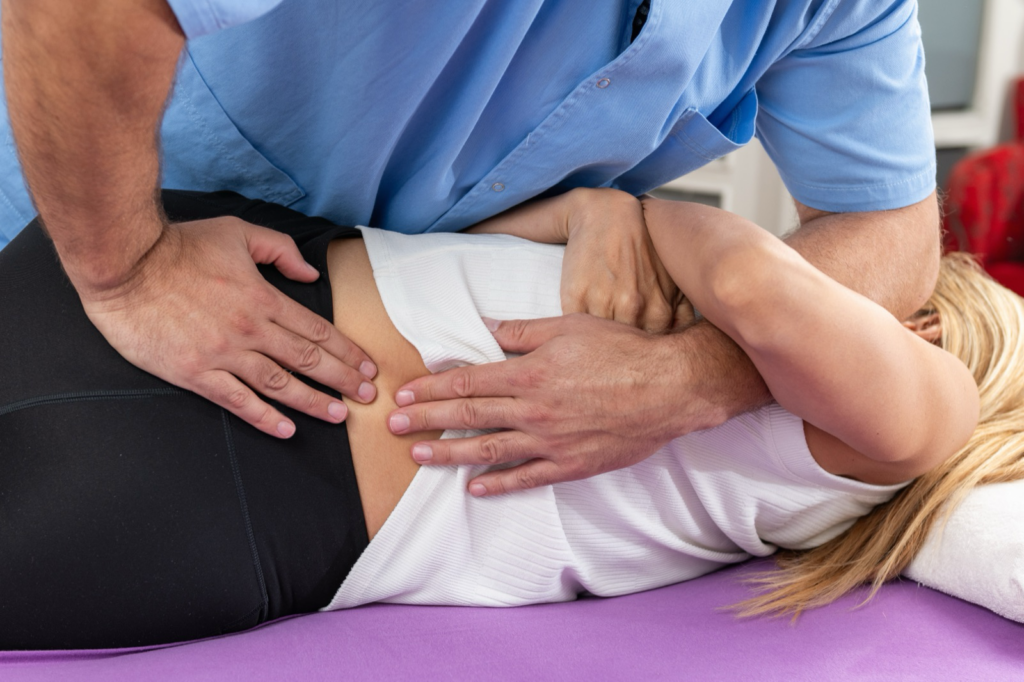
Most back pain after a car accident is treated without surgery. Our team starts with conservative care, including pain management and coordinated physical therapy and chiropractic care by referral, and gives it time to work. For most patients, surgery is the last resort, considered only after non-surgical options have been fully explored. The goal throughout is to get you back to your pre-injury life.
This conservative-first approach reflects how we practice. Physical therapy rebuilds strength and mobility, chiropractic care and targeted pain management address the soreness and nerve irritation, and our team coordinates that care, including physical therapy and chiropractic referrals, through our coordinated specialty care model. Our team is led by medical director Dr. Phil Davidson, a board-certified orthopedic surgeon with more than twenty years of experience treating injury patients, and you can meet the full team of specialized practitioners who would handle your care. If advanced treatment ever becomes necessary, you already have a team that knows your case. You can see how other accident patients describe their recovery on our success stories page.
Get clarity about your back pain and next steps
You don’t have to figure this out alone, and you don’t have to wait until the pain is unbearable. If you were hurt in a car accident anywhere in the Boise metro area, our Meridian clinic can evaluate your back and explain exactly what’s going on. Idaho saw more than 28,000 traffic crashes in 2025, according to the Idaho Transportation Department, and many of those drivers are dealing with the same delayed pain you are. If you are outside of Idaho, we have several convenient locations throughout Utah and Washington State as well.
We are physician-led, 100% dedicated to accident injuries, and for qualifying cases there may be no out-of-pocket treatment options. To get clarity about your condition and next steps, request an appointment or call our Idaho team at 208-278-2300. For questions about your accident claim, your personal injury lawyer is always the best source of advice regarding your legal case.
Frequently Asked Questions
How long after a car accident can back pain start?
Back pain can start hours to days after a car accident, and sometimes longer. Adrenaline masks pain during the crash, and inflammation often builds over 24 to 72 hours. Since symptoms can appear on a delay, a medical evaluation is important even if your back felt fine at the scene.
Is delayed back pain after a car accident serious?
Delayed back pain can be minor or serious, which is why it should be evaluated. Much of it comes from soft-tissue strains that often improve with conservative care. Some cases involve herniated discs or fractures that need targeted treatment. An exam and imaging determine which, so you know what you are dealing with.
Should I see a doctor for back pain if it seems mild?
Yes, getting evaluated is wise even for mild back pain after a crash. Injuries like disc damage can worsen over time and may feel manageable at first. A proper evaluation catches problems early, documents your condition, and helps you avoid a minor injury becoming a chronic one.
Can a car accident cause a herniated disc?
Yes, the force of a car accident can push a disc out of place or rupture it. When the displaced disc presses on a spinal nerve, it can cause back pain that radiates into the leg, along with numbness, tingling, or weakness. An MRI is the most reliable way to confirm a herniated disc.
What should I do if my back pain comes with numbness or leg weakness?
Numbness or leg weakness after an accident suggests a nerve may be compressed and should be examined promptly. If you also notice loss of bladder or bowel control or numbness around the groin, treat it as an emergency and go to the nearest emergency room right away.